
Loading...
Serving Victorville, CA and surrounding areas. (442) 219-3813
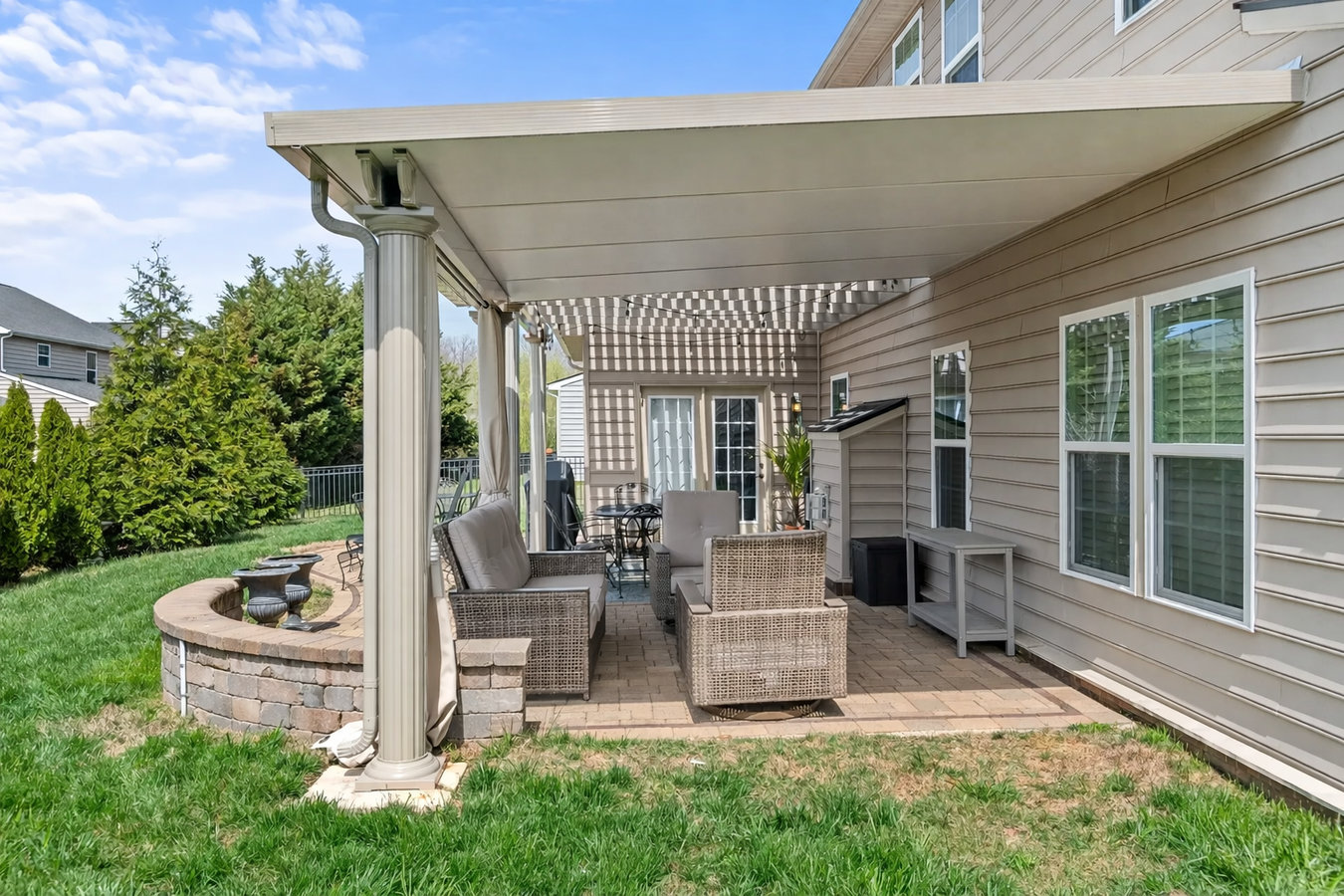
Most Victorville backyards sit empty from May through September. A properly built patio cover, anchored for High Desert wind and covered for real shade, gives you a space you can actually use again.
Patio cover installation in Victorville means attaching a permanent shade structure to your home - a ledger board bolted into your wall framing, posts set in concrete footings, and a roof surface in aluminum, wood, or polycarbonate panels - and most installations take one to three days of active construction once the permit is approved.
The High Desert setting changes what a good patio cover build looks like. In Victorville, summer afternoons above 100 degrees mean the difference between a solid-roof cover that actually shades the slab and an open-frame pergola that leaves you baking is significant. Wind is a real structural factor too - the Victor Valley sees gusts strong enough to pull a cover away from your home if the ledger attachment skips into stucco rather than wall framing. A patio cover here needs to be built to the same standards as any structural addition, not treated as a lightweight project. If you are thinking about a more enclosed option - one with screens or walls added to the cover frame - our patio enclosures service takes the same foundation and builds a proper enclosure on top of it.
For most homeowners, a patio cover is the most direct path to an outdoor space that is genuinely usable for more of the year - without the cost or complexity of a full room addition.
In Victorville, temperatures regularly stay above 95 degrees well into the evening during summer. If you step outside in the afternoon and come right back in, your outdoor space is not working for you. A solid patio cover can drop the temperature under it meaningfully and make afternoon time outside genuinely comfortable rather than something to endure.
If you have a concrete patio but no overhead structure, you are leaving usable space on the table. Rain is rare in the High Desert but when it arrives during monsoon season, an uncovered patio means wet furniture and nowhere to sit. A cover turns that slab into a real outdoor room you can count on year-round.
Victorville's seasonal wind events push gusts through backyards hard enough to topple furniture and tip potted plants regularly. If your patio feels exposed and unpredictable on windy days, a solid cover with proper anchoring acts as a windbreak for the space directly beneath it. That is a sign your outdoor area needs structure, not just sturdier furniture.
If you already have a patio cover and notice the frame pulling away from the wall, roof panels warping, or posts starting to lean, those are signs the structure is failing. In Victorville's heat and wind, a compromised cover can become a safety concern faster than in milder climates. It is worth having someone assess whether repair or replacement makes more sense before the next windstorm decides for you.
The material and structure type you choose changes how the cover performs in Victorville's climate. Aluminum is the most durable choice for heat and UV resistance - powder-coated finishes hold up for years without the repainting and resealing that wood requires. Wood covers look warmer and more natural, but in the High Desert they need regular maintenance to resist cracking and fading from the intense sun. Every project starts with a conversation about how you use the space, your HOA requirements if applicable, and what level of maintenance you are comfortable with over the long run. For homeowners who want to take the next step beyond a cover - adding screens, glass, or enclosed walls - our sunroom design service maps out what a full enclosure would look like for your specific lot and floor plan.
For homeowners whose existing patio cover frame is still structurally sound but needs new roofing panels or a screen addition, our patio enclosures work can be built on top of what is already there, reducing cost and project time. Both options - cover and enclosure - are permitted through the City of Victorville and coordinated through your HOA if your neighborhood requires it.
The most popular choice in Victorville - low maintenance, heat and UV resistant, available in multiple colors and widths to match your home's exterior.
Suits homeowners who want partial shade and a more open-air feel - typically in wood or powder-coated aluminum, with beam spacing that filters rather than blocks light.
A good fit for homeowners who prioritize aesthetics and are willing to commit to periodic sealing and repainting - looks warmer and more natural than metal alternatives.
A practical upgrade for evening use - electrical wiring run during the original installation is far easier and less expensive than adding it after the cover is finished.
Victorville's High Desert location creates two conditions that shape every patio cover project here. The first is heat: summer temperatures above 100 degrees mean the difference between a solid-roof cover that actually shades you and an open-frame pergola that still leaves you baking is not cosmetic - it is the difference between a space you use and one you avoid. The second is wind: the Victor Valley sits in a natural corridor for strong seasonal gusts, and the High Desert's soil - often sandy or layered with caliche, a hard chalky mineral that forms in arid climates - means post footings need to be sized and dug correctly or the structure will shift over time. Homeowners in Apple Valley face the same soil and wind conditions, and the footing and anchoring standards we apply there are the same ones that go into every Victorville project.
HOA requirements are also more common in Victorville than in older California cities. Many of the subdivisions built here during the 2000s - particularly around Spring Valley Lake and newer master-planned communities - have active design review processes that must be completed before a city permit can even be submitted. A contractor who is unfamiliar with this process or dismisses it as optional is setting you up for a conflict with your association after construction is already done. Homeowners in Hesperia deal with similar HOA patterns in their newer subdivisions, and we handle both the design review submission and the city permit application in both cities. Starting these processes early - before signing a construction contract - is the single most effective way to keep the project on schedule.
We ask about your patio's size, what you are hoping to use the space for, and whether you have an HOA. We schedule a site visit - most free estimates take about 30 to 45 minutes - and you typically receive a written quote within one business day that breaks out materials, labor, and permit costs separately.
If your neighborhood has an HOA, we help you submit the design for review before anything else moves forward. This step can take two to four weeks depending on how often your HOA board meets. Starting it before signing a construction contract is the best way to protect yourself from delays.
We submit the permit application to the City of Victorville's Building and Safety Division with drawings showing the cover's size, attachment method, and materials. Permit review typically takes two to four weeks. We manage the entire application and keep you updated at each stage.
Once the permit is approved, we schedule the installation - usually one to three days on-site. A city inspector verifies the finished work matches the approved plans. Before we leave, we walk through the space with you, confirm everything is level and clean, and haul away all construction debris.
We will measure your space, walk you through material options for the High Desert climate, and give you a written quote - no obligation, no sales pitch.
(442) 219-3813Some covers photograph well but crack, warp, or fade within a few seasons under the High Desert sun. We specify materials based on how they perform in Victorville's specific climate - powder-coated aluminum, UV-stable panels, and hardware rated for sustained heat - so your cover still looks and functions well five years from installation.
We bolt the ledger board into your home's actual structural framing - not just the stucco surface - and size post footings for the High Desert's sandy and caliche-layered soil. A cover that is not anchored this way is a liability during the wind events this area sees regularly. This is the most important structural decision in the whole project, and we do not cut corners on it.
We handle the permit application, drawings, and inspection coordination with the City of Victorville's Building and Safety Division on every project. A permitted patio cover is a legitimate improvement on your property - one that shows up correctly in an appraisal and does not create disclosure headaches when you sell. Per California law, we hold a valid state contractor's license verifiable at cslb.ca.gov.
We have navigated the design review process for HOA communities throughout Victorville - including Spring Valley Lake area neighborhoods - and know how to prepare submissions that get approved the first time. Starting HOA approval before the permit application is how projects stay on schedule rather than sitting in limbo for weeks waiting on a board meeting.
Together, these points add up to a patio cover that performs in Victorville's climate, passes inspection the first time, and does not create problems for you down the road - whether that is the next windstorm or the next home sale.
For outdoor structure best practices, see the North American Deck and Railing Association. For permit requirements, visit the City of Victorville Building and Safety Division. To verify any contractor's license, use the California Contractors State License Board.
If you want more than a shade structure - a fully enclosed, designed room tailored to your home and how you live in it - sunroom design is the natural next step.
Learn MoreTake a covered patio further by enclosing it with screens or walls - a patio enclosure adds bug protection and wind shelter while keeping the outdoor feel.
Learn MorePermit season fills up fast - lock in your spot now before the summer heat arrives and the calendar closes.