
Loading...
Serving Victorville, CA and surrounding areas. (442) 219-3813
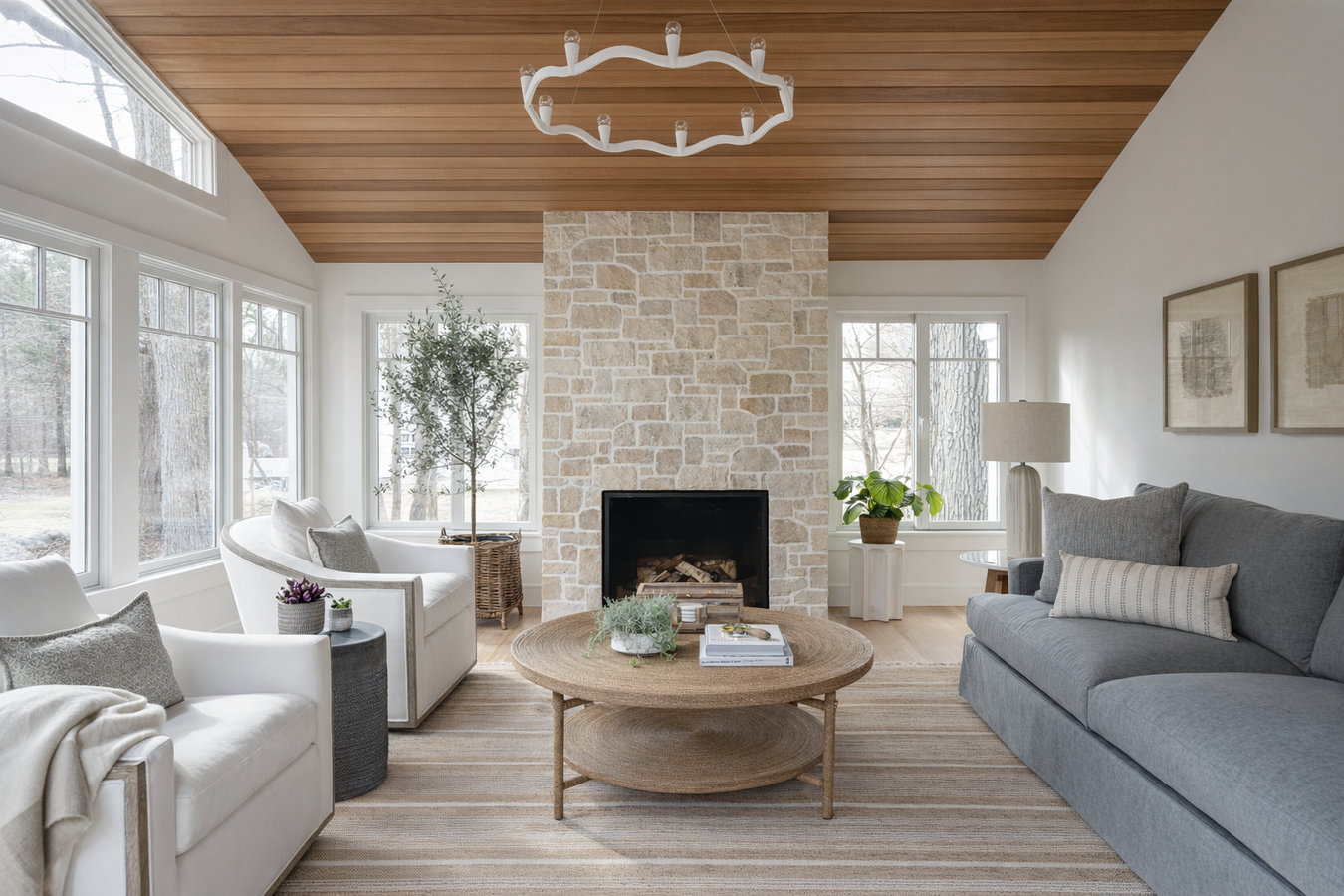
PatioLux Victorville Sunrooms builds four-season sunrooms, patio enclosures, and custom glass rooms throughout Apple Valley, CA. We handle permits, desert-rated glass specifications, and every inspection from start to finish.
We serve the Victor Valley including Apple Valley and carry a current California contractor license you can verify at any time. Our team understands the wide temperature swings, large-lot conditions, and local permit requirements specific to Apple Valley - none of those details are guesswork on our end.
Apple Valley's elevation means summers push past 100 degrees and winter nights drop below freezing - sometimes on the same week in late fall. A four-season room with insulated glass and full HVAC connection is the only sunroom type that stays genuinely comfortable year-round here. Learn more on our our four season sunrooms page for details on how we spec these rooms for Apple Valley conditions.
Apple Valley properties sit on large lots, and most have wide covered patios that bake in summer because they face the afternoon sun with no protection. Enclosing that patio with glass walls and a proper thermal break converts dead outdoor space into a room that works every season.
High Desert spring winds in Apple Valley carry grit and insects that make sitting outside unpleasant from February through May. A well-screened room keeps the breeze without the debris and gives families a comfortable outdoor connection for the longer shoulder seasons.
The intense UV at Apple Valley's elevation bleaches and degrades wood framing far faster than in coastal California. Vinyl framing resists UV, does not need repainting, and holds its shape through the wide daily temperature swings that are normal in this desert town.
Apple Valley lots vary widely - some are flat quarter-acre parcels with long rear yards, others have slopes or mature desert landscaping that affects where a room can be placed. Custom design lets us work around the specific conditions of your parcel rather than applying a standard footprint.
Many Apple Valley homes from the 1980s and 1990s have an attached patio cover with an existing concrete slab and roof posts already in place. Converting that structure to an enclosed room avoids full-foundation work and is often one of the more cost-effective ways to add conditioned space to a home here.
Apple Valley sits at nearly 3,000 feet in the Mojave Desert, and the elevation changes the math on almost every material decision in a sunroom build. Summer temperatures regularly exceed 100 degrees, and winter nights drop below freezing - the freeze-thaw cycle alone is something a contractor who only works in coastal California may not design for properly. Glass with a low solar heat gain coefficient is not a luxury upgrade here; it is the minimum specification for a room that will still be comfortable in July. Foundations and framing connections also need to account for the desert soil and temperature swings that put more stress on joints and footings than most California building codes explicitly require.
Most homes in Apple Valley were built between the 1970s and early 2000s during the town's steady growth period - many are now 25 to 50 years old, which means covered patios, stucco exterior walls, and concrete slabs are all showing wear from decades of heat and cold cycling. When we attach a new sunroom to one of those homes, we assess the existing slab and wall condition first rather than assuming the structure is sound. Concrete slabs in this area can shift as the desert soil expands and contracts with moisture changes, and we design the attachment point to tolerate that movement without cracking the new room's frame.
Our crew works throughout Apple Valley regularly, and we pull permits from the Town of Apple Valley Building and Safety Department. We know the plan check process, the inspection stages the town requires, and the turnaround timelines that are normal here. Homeowners who hire contractors from outside the Victor Valley often discover that unfamiliarity with local permit offices adds unexpected weeks to a project - that is not a problem we create.
Apple Valley is a spread-out desert town where most homes sit on quarter-acre or larger lots with long driveways, wide patios, and significant outdoor space. The neighborhoods range from older streets near Highway 18 to newer subdivisions on the east side of town near the Apple Valley Airport. Properties further out toward Sitting Bull Mountain tend to have more elevation and steeper lots that require a different approach to foundation work than the flat tracts closer to town. We assess all of those variables on the site visit before we write a single number on an estimate.
We also regularly serve homeowners in neighboring areas. Residents of Adelanto to the northwest share similar desert soil and climate conditions, and we serve that community as part of our regular High Desert route. Homeowners in Hesperia to the west are also a regular part of our work, and the permit environments across all three cities follow similar processes that we know well.
We respond within 1 business day. On the first call we ask a few quick questions about the space you have in mind, your HOA status, and how you plan to use the room so we can set up a site visit efficiently.
We come to your Apple Valley home, measure the area, assess the existing slab or foundation, and review your setback situation. You leave with a clear sense of what the project costs and how long it will take - written estimate follows within one to two days.
We prepare drawings and submit the permit application to the Town of Apple Valley Building and Safety Department. If your subdivision has an HOA - common in newer Apple Valley developments - we provide the documentation the architectural committee needs. Plan review typically takes two to six weeks.
Once permits are in hand, we build on the agreed schedule. A town inspector visits at required milestones. At completion we walk through the finished room with you and hand over all permit paperwork for your home records.
We serve Apple Valley and the surrounding High Desert. Call for a free estimate or submit your details and we will reach out within 1 business day.
(442) 219-3813Apple Valley is a town of roughly 75,000 to 80,000 people in the Victor Valley region of San Bernardino County, situated in the Mojave Desert at close to 3,000 feet above sea level. The town grew steadily from the 1970s through the early 2000s as residents moved out of the Los Angeles basin looking for more space and more affordable housing. Most of the housing stock reflects that growth period - single-family homes on generous lots, predominantly owner-occupied, with stucco exteriors and slab foundations that are standard across the High Desert. The area has strong ties to Roy Rogers and Dale Evans, who lived here for decades and are still celebrated in local history. Apple Valley operates under the Town of Apple Valley, a general-law municipality incorporated in 1988.
The town spans a large geographic footprint with neighborhoods ranging from established residential streets near Highway 18 on the western edge to newer subdivisions spreading east toward the Apple Valley Airport and beyond. Lot sizes across the town tend to be larger than in denser Southern California cities, which means many homeowners have significant outdoor space that could benefit from a covered or enclosed sunroom addition. Neighboring Victorville sits just to the northwest and is where we are based, and the two communities share the same desert climate and many of the same building conditions that we work with every day.
Stylish patio covers that provide shade and extend outdoor living.
Learn MoreWe are ready to come out, measure your space, and give you a clear written quote. Apple Valley homeowners typically hear back within 1 business day - call now or submit a request to get started.